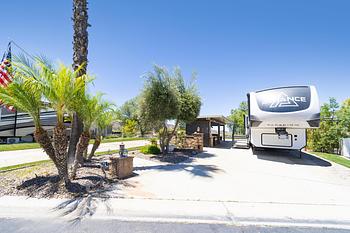
Beyond the Map: 4 Essential Tips for Using an RV Park Directory to Find the Perfect Campground
Article Featured
Planning an RV trip is an adventure in itself, but the success of your journey often comes down to finding the perfect place to land each night. Relying on an extensive RV Park Directory is the most efficient way to secure your spot, but simply typing in a city name isn't enough.
A robust directory, like the one here on RVPark.com, is an essential tool for RV travel planning—but only if you know how to maximize its search filters and vet the details. Use these four essential tips to move beyond basic searching and find a park that perfectly fits your RV, your budget, and your travel style.
Tip 1: Define Your Needs Before You Search
Before you type a location into the directory's search bar, take a moment to define your specific needs. RV parks and campgrounds are highly specialized, and not every park can accommodate every rig or traveler.
- Duration: Are you looking for short-term (daily/weekly) camping or a long-term (monthly/seasonal) stay? Long-term stays often require a separate application process and may only be available in specific park sections.
- Big Rig Accommodation: If you drive a Class A Motorhome or tow a large fifth wheel (over 40 feet), you need parks that specifically advertise "Big Rig Access." Pay attention to the reported site size and look for pull-through spots, which simplify parking versus back-in sites.
- Community Vibe: Use filters to select your desired atmosphere. Are you looking for a quiet 55+ RV resort with planned activities, or a family-friendly campground with playgrounds and pool access?
By defining these factors first, you can use the directory's filters precisely, eliminating countless unsuitable listings right away.
Tip 2: Mastering the "Hookup" Codes
The single most important amenity in any RV Park Directory listing is the hookup information. "Full hookups" is the gold standard, but you need to know what that truly entails for your rig.
Full Hookups typically include:
- Water: The site offers a direct potable water connection.
- Sewer: The site includes a sewer connection (essential for longer stays).
- Electric: This is where you must be careful. Ensure the listing specifies the required amperage:
- 50-Amp Service: Necessary for large RVs with multiple air conditioners and high power demands.
- 30-Amp Service: Common for smaller or older RVs, but can be insufficient for running two AC units simultaneously.
- 20-Amp Service: Primarily used for small appliances or battery charging.
If a park doesn't offer a sewer hookup at the site, confirm they have a dump station easily accessible for your departure. Always look for parks offering full hookups to maximize convenience on your trip.
Tip 3: Location vs. Type: Park, Campground, or RV Resort?
Not all RV parks are created equal. The directory often uses different classifications that hint at the experience and amenities you can expect.
| Classification | Typical Experience | Key Feature |
| Campground | Often state/national parks or privately owned, offering a rustic, nature-focused experience. Limited amenities, may only have water/electric hookups. | Proximity to trails, rivers, wilderness. |
| RV Park | The standard classification. Offers reliable utilities and basic amenities (laundry, restrooms). Often located near urban areas or major highways. | Convenience, consistency of service. |
| RV Resort | The luxury option. Offers extensive amenities like heated pools, golf courses, cable, high-speed Wi-Fi, and organized social activities. Pricier, but ideal for long-term stays. | Upscale amenities and robust community. |
Use the directory to pinpoint your ideal location (wilderness or urban), but cross-reference it with the classification to ensure the RV resort experience you want isn't 50 miles outside the city you planned to visit.
Tip 4: Vetting the Vitals: Site Size and Campground Reviews
Once you have a list of potential RV parks, the final step involves confirming the specific details that protect your rig and ensure a smooth stay.
A. Confirm Site Size and Accessibility
A common mistake is booking a site that is too short or too narrow. Even if a park allows "Big Rigs," your specific site might be cramped.
- Length: A 45-foot RV plus a towed vehicle requires significant length. Call the park directly to confirm the exact length of the site they assign you.
- Accessibility: Ask about tree proximity, steep grades, and maneuvering room for slide-outs.
- Leveling: While the directory won't tell you the grade, look through campground reviews for mentions of sites being notoriously unlevel.
B. Read Campground Reviews and Check Rules
While the directory provides the facts, the campground reviews provide the social truth. Look for recent reviews that mention:
- Wi-Fi Reliability: Essential for remote workers.
- Noise Levels: Are sites too close to the highway or train tracks?
- Management Friendliness: Critical for dealing with any issues that arise.
Crucially, always call the park to confirm their RV park rules, especially regarding:
- Pet Policy: Are there breed or size restrictions?
- Age Restriction: Some parks have a "10-year rule," meaning RVs older than 10 years are prohibited or require prior management approval.
By diligently using your RV Park Directory in conjunction with these four expert tips, you will transform your trip planning from a chore into a seamless search for the perfect spot.
Your Adventure Starts Here
Ready to put these tips into practice and find the perfect spot for your next journey? Start your search with the most comprehensive RV Park Directory available.
Search the RV Park Directory Now
Related Content
Louisiana RV Lots for Sale: The 2026 Gulf Coast Investor & Owner GuideRVs as Affordable Housing By PayRent.com
The Most Important RV Park Etiquette Rules